

Playing the Game of Life with Your Insurance Policy

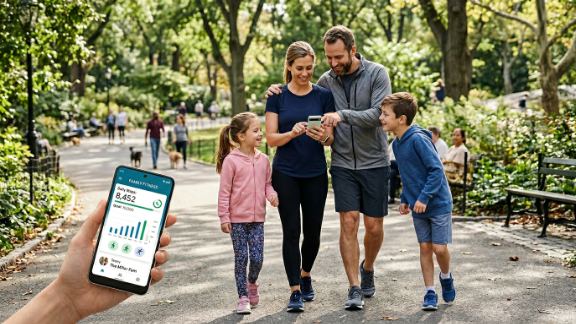
Gamified insurance platforms use points and challenges to reward us for making healthy and safe choices every day.
Takeaways
Auto insurers use phone apps to track and reward safe driving.
Health policies now connect to wearables to track your daily movement.
Earning small rewards helps build long-term positive habits.
These systems turn a boring financial product into an active tool.
Healthy behaviors lower risks for everyone involved.
I’ve noticed a really interesting shift in how we handle our personal risk. For a long time, buying a policy meant paying a bill and putting the paperwork in a drawer. You only thought about it when something went wrong. But now, companies are turning the whole concept into a game. They use apps to give you points, badges, and discounts when you make good choices. I think this changes our relationship with our coverage. It becomes an active part of our daily routine.
Let's look at how this works on the road. Auto insurers have started using telematics. That just means an app on your phone or a device in your car tracks how you drive. If you avoid hard braking, stick to the speed limit, and put your phone down, you earn a high score. And that score often translates directly into a cheaper bill. A report by Cambridge Mobile Telematics showed that their rewards-based driving program led to a 61% decrease in loss ratios and a massive drop in fatalities compared to the national average
That is a huge improvement in public safety.

I saw this firsthand with a young client named Leo. He just got his license. His parents were worried about his driving habits. So they signed him up for a policy that tracked his trips and awarded him digital badges for safe-driving streaks. The badges came with points he could trade for coffee shop gift cards. He started paying closer attention to his speed just to beat his own high score. The game aspect made him a safer driver without his parents having to nag him.
The health and life insurance sectors are doing something similar. They link your policy to a smartwatch or fitness tracker. When you hit your daily step goal or log a workout, you get rewarded. You might get a discount on your monthly premium or vouchers for fresh groceries. A study published in the National Library of Medicine in 2026 noted that combining financial incentives with game-like elements such as quests and leaderboards helps people stick to their goals. It takes the chore out of exercising.
I remember working with a woman named Sarah who struggled to stay active. She felt totally overwhelmed by the idea of going to a gym. Her life insurance provider introduced an app that gave her virtual coins for simply walking her dog every morning. She could use those coins to get discounts on running shoes. That small, daily validation was exactly what she needed. She told me she started walking a little further each week just to see her virtual progress bar fill up.
Families are also finding ways to use these tools together. When everyone in the house uses the same app to track their steps or driving habits, it creates a built-in support network. Parents and kids can compare their weekly progress. This shared experience takes the pressure off any one person to be the enforcer of good habits. The app acts as a neutral third party, just handing out high-fives when you do well. I think that shared experience is really valuable.

I worked with a family who used an auto insurance app that ranked the drivers in the household. The father thought he was the best driver. But the app proved his daughter actually had smoother braking and better speed control. It turned into a running joke at their dinner table. And it made the dad drive much more carefully because he wanted to win back the top spot. They were bonding over something that actually made them safer on the road.
We also have to think about how this affects our wider communities. When more people are driving safely to earn points, the roads become safer for everyone. When more people are walking daily to hit a step goal, we see healthier neighborhoods. From a social work perspective, this is a beautiful thing. It takes a personal incentive and turns it into a public good. It bridges the gap between clinical health advice and everyday community resources. We are essentially rewarding people for taking care of themselves and their neighbors.
I recently spoke with a community center director who partnered with a local health plan. They set up walking groups for seniors. The seniors used their insurance apps to track their group walks, pooling their points to earn a new coffee machine for the center. They got fresh air, built friendships, and won a prize together. It was a perfect blend of behavioral science and social support.

So why does this approach work so well? It comes down to human behavior. We respond well to immediate, positive feedback. Getting a lower premium next year is a nice idea. But getting a free movie ticket today for hitting a step goal feels much more real. These platforms take boring, long-term goals and break them into fun, daily actions. They make the right choice, the easy choice.
My friend David is a perfect example of this psychology in action. He loves competition. When his company rolled out a wellness program tied to their health benefits, he immediately joined a team step challenge. He would literally walk circles around his living room at night just to push his team to the top of the leaderboard. He lost five pounds that month. The financial perk was a bonus. The real driver was the game itself.
Final thoughts
Turning our daily choices into a game is a clever way to encourage better habits. It helps insurers reduce costly claims. But more importantly, it helps us build safer and healthier lives. I think any tool that gets us moving more and driving better is worth our attention. Let me know if that makes sense.


