

Why Your Protein Shake Won't Save You From the Inevitable Decay of Aging


Most people drink a shake and think they’ve fixed their muscles, but they are missing the six things that actually keep you standing.
If you lose your strength, you lose your ability to act. Muscle loss makes you fragile. It makes you a victim of gravity. You need to understand the whole picture so you don’t fall apart when you get older. This isn’t just about looking good. It’s about keeping your freedom.
Takeaways
Protein alone is not enough.
Omega-3s calm the fire in tissues.
Vitamin D flips the strength switch.
Magnesium helps muscles move properly.
Water keeps the whole system running.
I’ve spent a lot of time looking at how bodies fail. As a doctor, you see it every day. People come in and they’re getting weaker. They’re losing their grip. And they’re worried. They think they can just eat more steak and that will be that. But it’s not that easy. The world is a place of complex parts. You can’t just throw one thing at a problem and expect it to go away.
When you get older, your muscles start to shrink. It’s a process called sarcopenia. It’s like a slow leak in a tire. If you don’t fix it, eventually you’re on the rims. And most people think protein is the only patch. Dr. Frank Hu from Harvard points out that protein is a big deal, but it isn’t the whole story. He says protein works in a group. It needs help.
You have to think of your body like a house. Protein is the brick. But bricks don’t just stay up on their own. You need mortar. You need a roof to keep the rain out. You need a solid foundation. If you ignore the other six players, your house is going to fall down. And that’s a heavy price to pay.
The Fire in the Walls
The first thing you have to look at is inflammation. I think of it like a small fire in the walls. If your body is always inflamed, it eats your muscle for fuel. It’s a bad deal.
This is where Omega-3 fatty acids come in. You find them in fish or walnuts. They act like a fire extinguisher. They calm things down so your body can actually use the protein you eat. If the fire is raging, the protein just gets burned up.
I knew a man named Arthur. He was sixty. He worked out every day. He ate eggs and chicken until he was sick of them. But he was still getting smaller. He was always sore. His joints hurt. I told him to stop obsessing over the chicken and start eating salmon and flax seeds. He thought I was crazy. But in a month, his soreness went away. His muscles started to feel hard again. He fixed the fire, so the bricks finally stayed in place. You can read more about how these fats work at the Mayo Clinic site.
The Master Switches
Then you have to contend with Vitamin D. It’s not just a vitamin. It’s more like a hormone that tells your muscles to grow. Think of it as a light switch. You can have all the electricity in the house, but if the switch is off, you’re sitting in the dark. A lot of people are low on Vitamin D because they stay inside. They’re hiding from the sun. And their muscles are paying for it.
Then there’s Magnesium. It’s involved in hundreds of jobs in your body. It helps your muscles relax and contract. If you don’t have enough, you get cramps. You feel weak. It’s the oil in the machine. You get it from spinach, nuts, and beans.
Without it, the machine grinds to a halt. Check out the NIH facts on Magnesium
The Glue and the Signal
You also need Vitamin C. Most people think of it for a cold. But Vitamin C helps make collagen. Collagen is the glue. It holds your muscles to your bones. If the glue is weak, the muscle can’t do its job. It’s a structural problem.
And don’t forget Calcium. It’s not just for bones. Your brain uses calcium to send a signal to your muscles. It’s the telegram that says "Move now." If the signal is weak, your movement is weak. You end up clumsy. You end up on the floor. And for an older person, the floor is dangerous.
The Fluid Foundation
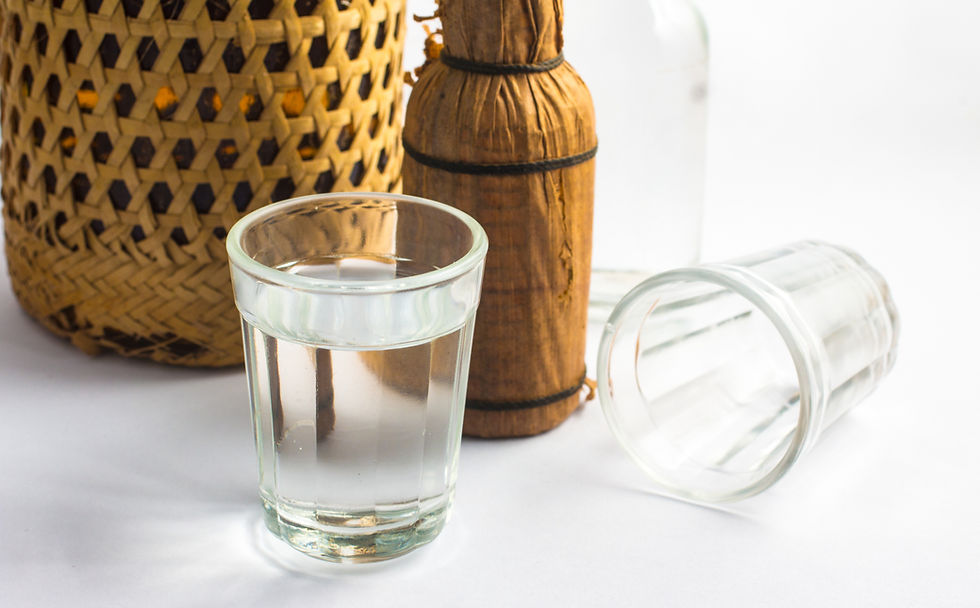
The last one is water. It’s so simple that people ignore it. Your muscles are mostly water. If you’re dry, your muscles are like a brittle sponge. They tear. They don’t work. You can’t transport the nutrients if there’s no water to carry them. It’s the most basic form of order you can bring to your life.
Take Responsibility
You have a duty to keep your body strong. It’s not just about you. It’s about not being a burden. It’s about being able to help others. You have to set your house in order. That means looking at the whole list. Not just the protein powder.
Here is what you need to do. Start today. Go to the store. Get some fatty fish. Get some spinach. Buy a bottle of Vitamin D. And drink a glass of water. It’s a small set of actions, but they add up. They build a frame that can stand against time. Don’t wait until you’re falling down to care about this. Do it now while you still have the strength to choose.
That’s how it works.
You are the architect of your own decay or your own strength; choose to build something that lasts by respecting the whole biological picture.
FAQs
Can I just take a pill for all of this?
It’s better to eat real food. Food has a structure that pills can’t match. Use supplements to fill gaps, not as a shortcut.
How much water do I really need?
If your urine is dark, you’re losing. Drink enough so that you aren't thirsty and things stay clear.
Does the sun really give me Vitamin D?
Yes, but most people don't get enough. Especially in the winter. A supplement is often a good move.
Is spinach the best source of Magnesium?
It’s a great one. Pumpkin seeds and almonds are also top tier.
Why is Vitamin C linked to muscles?
It helps build collagen. Without collagen, your tendons and muscles lose their connection and their strength.
Citations
Harvard T.H. Chan School of Public Health. (2024). Protein.
Mayo Clinic. (2023). Omega-3 fatty acids.
National Institutes of Health. (2022). Magnesium: Fact sheet for consumers.
National Institutes of Health. (2023). Calcium and Vitamin D: Important at every age.
Cleveland Clinic. (2024). Sarcopenia (Muscle Loss).


