

Gene Editing's Proving Ground: From Mammoths to Medicine

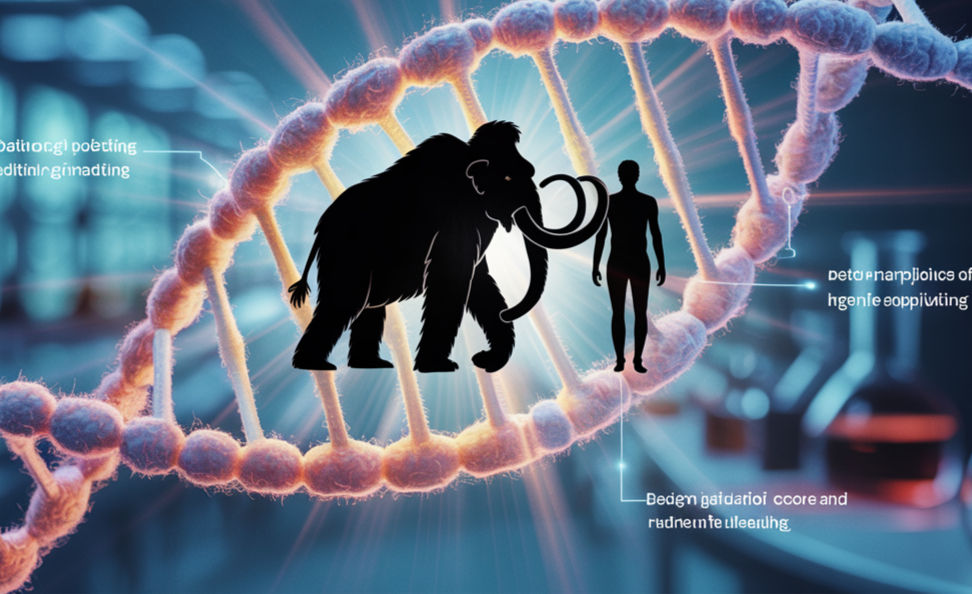
How gene-editing technologies, such as CRISPR, are being used to pioneer "genetic rescue" for both endangered species and human patients with genetic diseases.

How breakthroughs in animal conservation and human medicine are deeply connected. The same gene-editing tools, ethical dilemmas, and biological insights apply to both—revealing shared challenges and mutual progress.
Takeaways
De-extinction uses the same CRISPR tools now curing human diseases.
"Genetic rescue" for animals is a model for human gene therapy.
The sickle cell cure uses the same principles as saving endangered species.
An animal's ecosystem is a metaphor for our complex human microbiome.
The challenges of de-extinction mirror the challenges in clinical gene editing.
Introduction
The grainy footage of the last Tasmanian tiger is a haunting reminder of what we can lose. The ambitious plan to bring it back using gene editing feels like something from a movie. But in my work at BioLife Health Research Center, I see this technology not as a tool for resurrection, but as the foundation of a medical revolution. The techniques being honed to edit the DNA of a mammoth are the very same techniques we are now deploying to cure human genetic disorders. My goal here is to show you how the seemingly separate worlds of wildlife conservation and cutting-edge medicine are deeply intertwined, and how saving an endangered ferret provides the blueprint for saving a human life.
The Shared Toolbox – A Word Processor for All Life
Whether you're trying to build a woolly mammoth or cure a human disease, the core technology is the same: gene editing, most famously with CRISPR. Think of it as a biological "find and replace" function. A guide molecule finds a specific "typo" in the billions of letters of a DNA sequence, and an enzyme acts as a pair of molecular scissors to snip it out, allowing the cell's natural machinery to repair the error with a correct template.
This is the tool scientists are using to edit the DNA of an Asian elephant to carry the traits of a mammoth. It's a spectacular demonstration of precision. But while that project grabs headlines, the same tool is being used for a far more immediate and profound purpose in our clinics.
From Animal Rescue to Human Cures

The most exciting parallel between conservation and medicine is the concept of "genetic rescue." In nature, this means saving a species on the brink of extinction.
The Animal Model: The endangered black-footed ferret population suffers from a dangerously small gene pool, making it vulnerable to disease. Scientists are using gene editing to restore lost diversity from a century ago, making the species more resilient. In another case, a single genetic tweak can make the Australian Quoll immune to a deadly toad toxin, saving the species.
Now, let's translate this to human health. What is an inherited genetic disease if not a kind of "endangered gene pool" within a family?
The Human Cure: Patients with sickle cell anemia have a single-letter "typo" in their DNA that deforms their red blood cells, causing a lifetime of pain and complications. In 2023, the FDA approved Casgevy, a therapy that uses CRISPR to edit a patient's own blood stem cells, correcting the error. This is a functional cure. It is a direct human equivalent of the "genetic rescue" being performed on the Quoll—a precise, single-letter edit that saves a life. The principles are identical.
The Ecosystem Within – Keystone Species and Our Microbiome
The argument for bringing back the Tasmanian tiger isn't just about the animal itself; it's about restoring a broken ecosystem. The tiger was a keystone species, an apex predator whose absence caused downstream chaos, including the spread of facial tumor disease among Tasmanian devils.
This offers a powerful metaphor for human health: our gut microbiome. Our bodies are a complex ecosystem of trillions of bacteria, fungi, and viruses. Antibiotics, for example, can wipe out "keystone" bacterial species, throwing our internal ecosystem out of balance and allowing harmful bacteria like C. diff to thrive.
Analogy: Just as the Tasmanian tiger kept its ecosystem healthy by culling the weak and sick, certain beneficial bacteria in our gut keep harmful pathogens in check. The future of genetic medicine may not just be editing our genes, but using CRISPR to precisely edit or support the "keystone species" within our own microbiome to prevent disease.
Shared Hurdles on a Parallel Path
As a healthcare project manager, I see that the operational challenges of de-extinction and human gene therapy are strikingly similar. The problems scientists are trying to solve in the wild are the same ones we are tackling in the clinic.
The Delivery Problem: How do you get the CRISPR machinery to the right cells? For the mammoth, it's a challenge of reproductive technology. For a human patient, it's about delivering the therapy to the liver or the brain without affecting other tissues.
Off-Target Effects: Scientists in both fields are obsessed with ensuring the "molecular scissors" only cut the intended DNA sequence. An accidental edit in the wrong place could be catastrophic, whether for an animal embryo or a human patient.
Ethical Frameworks: The debate over releasing a genetically modified animal into the wild is a parallel to the crucial ethical line in medicine between editing a patient's body (somatic) cells and editing heritable (germline) cells. The stakes are different, but the questions about unforeseen consequences are the same.
Summary
While the quest to bring back the mammoth is a thrilling scientific adventure, its greatest value is as a highly visible demonstration of the power of gene editing. The true frontier of this technology is not in the past, but in the present—in our clinics and hospitals. The principles of "genetic rescue" being applied to save endangered species are the very same principles now curing human diseases like sickle cell anemia.
From my perspective, de-extinction science is one of the most powerful tools for public education in the future of medicine. It makes the abstract concept of gene editing tangible. It shows us, grandly and unforgettably, the power we now have to correct the code of life. The challenges remain the same, the tools are the same, and the goal remains the same: to harness this incredible science with wisdom and precision to create a healthier, more resilient future for all species, including our own.
Frequently Asked Questions
How many human diseases could CRISPR potentially treat?
There are thousands of diseases caused by single-gene mutations (monogenic diseases) like sickle cell anemia, cystic fibrosis, and Huntington's disease. These are the most immediate targets for CRISPR therapies. Research is also underway for more complex diseases like cancer and heart disease.
Is the sickle cell cure a one-time treatment?
Yes, it is designed to be a one-time, curative treatment. The process involves editing a patient's own blood stem cells, which are the "factories" that produce all other blood cells. Once the edited, healthy stem cells are returned to the body, they should produce healthy red blood cells for the rest of the patient's life.
What are the biggest risks of human gene editing in the clinic?
The risks are the same as in the de-extinction field: "off-target" edits where the wrong DNA is accidentally cut, and challenges with delivering the therapy to the correct cells. For these reasons, the process is rigorously controlled and monitored through years of clinical trials.
How is this different from the gene therapy I heard about years ago?
Traditional gene therapy often involved adding a working copy of a gene into a cell, usually with a virus, but it didn't fix the original faulty gene. CRISPR is a true gene editor—it can go in and directly correct the original mistake, turn a gene off, or make other precise changes, making it a more powerful and precise tool.
Are we "playing God" by editing human DNA?
This is a profound ethical question. The current medical consensus strongly supports using gene editing to cure debilitating diseases in an individual (somatic cell editing), which does not affect future generations. There is a near-universal moratorium on editing the human germline (sperm, eggs, embryos), which would create heritable changes, until the safety and ethical implications are understood much more deeply.


