

Peptide Therapy Explained: Uses, Benefits, And What Science Says

Updated: Jul 31

Separating medical facts from internet trends in the peptide market.


Peptides are everywhere today. You see them sold for weight loss, skin repair, and muscle growth. Some are safe, tested medicines. Others are dangerous, unapproved drugs. Medical science helps you know exactly what goes into your own body.
Takeaways
Peptides are short chains of amino acids.
They send specific chemical messages to cells.
Collagen peptides help improve skin and joints.
GLP-1 peptides are proven weight loss medicines.
Avoid unapproved research peptides bought online completely.
Hello, I'm Dr. Myriam Delgado. At Biolife Health, I often encounter patients seeking ways to slow down aging, heal injuries, or lose weight. Almost every day, someone asks me about peptides. They see ads for collagen powders, weight loss shots, and healing injections all over the internet.
My goal is to look closely at this topic, understand the proposed mechanisms, review clinical findings, and blend traditional use with scientific scrutiny so patients can make informed decisions. We need to clear up the confusion. Some peptides are proven, heavily tested medications. Others are unapproved chemicals sold legally only for lab research. We will look at how they work and what the data actually proves.
The Theory: How Are Peptides Supposed to Work?
To understand peptides, think about how the body builds things. Proteins are long, complicated chains of amino acids. Peptides are short chains of those same amino acids. Because they are smaller, the body breaks them down and absorbs them faster.
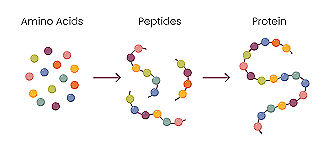
The body makes many peptides naturally. Insulin is a common peptide. When these short chains enter the blood, they act as messengers. They connect to cells and send specific instructions. They might tell the body to produce more collagen, release growth hormones, or stop feeling hungry.
The theory behind peptide therapy is simple. If we know exactly which short chain sends a specific message, we can create that chain in a lab. Then, patients can take it to tell their cells to perform a desired action. We can tell the body to heal a muscle, burn fat, or hydrate the skin.
Exploring the Uses: Anecdote vs. Science
Let's look at the three most common ways people use peptides today.
Skin and Joint Support (Collagen Peptides)
The Claim: Drinking a scoop of collagen peptide powder every morning fixes wrinkles, stops aging, and cures joint pain completely.

The Science: The clinical data shows collagen peptides do offer real help, but they do not stop the aging process completely. Studies show taking collagen peptides improves skin hydration and helps relieve mild osteoarthritis pain. Because they are short chains, the stomach easily breaks them down. The body then uses those pieces to rebuild cartilage and skin. It works best when you take them daily and pair them with a healthy diet. Just remember that the FDA does not heavily check over the counter supplements, so you should buy high quality brands.
Weight Loss and Diabetes (GLP-1 Peptides)
The Claim: GLP-1 peptide injections melt away body fat quickly and easily without you having to change your diet or exercise habits.

The Science: GLP-1 agonists like semaglutide are FDA approved peptide medications. They mimic a natural hormone that tells your brain you are full. Clinical trials prove they lead to major weight loss and help control blood sugar for people with diabetes. The science is very strong here. However, relying only on the medicine is a bad idea. If you do not eat enough protein and lift weights, these peptides cause you to lose muscle along with the fat. They also cause stomach problems for many users. You need a doctor to guide you.
Muscle Repair and Healing (BPC-157)
The Claim: Injecting a research peptide called BPC-157 heals torn muscles, fixes bad joints, and acts as a magic cure for physical injuries.

The Science: This is where we run into safety problems. BPC-157 is a compound found naturally in stomach acid. Animal studies show it speeds up tissue repair and reduces inflammation, but we lack solid, long-term human trials proving it is safe. Because of this missing data, the FDA recently banned pharmacies from making BPC-157 for humans. Many internet shops still sell it labeled as "research use only." I strongly advise my patients to avoid injecting unapproved chemicals bought online. The risks of unknown side effects are simply too high.
Balancing Belief and Evidence
The world of peptides is wide and confusing. The clinical evidence for some peptides, like GLP-1 medications and collagen powders, is very strong. They help people manage their weight and keep their joints moving. But the internet also pushes unapproved research chemicals that lack human safety data.
If you want to try a new supplement or injection, safety is always your first priority. Natural does not always mean harmless, and you should consult your physician before starting new regimens. Evidence-based moderation is the best approach.
That's how I see it.
FAQs
What is the difference between a peptide and a protein?
Proteins are long chains of amino acids. Peptides are just shorter versions of those same chains.
Are collagen peptides safe to take every day?
Yes. Studies show daily use is generally safe and helps provide the building blocks your body needs.
Do I need a prescription for peptides?
It depends on the type. You can buy collagen at the grocery store, but you need a prescription for GLP-1 weight loss medications.
How do you take peptides?
You can drink collagen powders mixed in water. Doctors usually prescribe medical peptides as a small injection under the skin.
Why did the FDA ban BPC-157?
The FDA banned compounding pharmacies from making it because there is not enough long term safety data from human trials.
Sources
Cleveland Clinic. (2022). Collagen: What It Is, Types, Function & Benefits. Retrieved from https://my.clevelandclinic.org/health/articles/23089-collagen
Mayo Clinic Press. (2024). Ingredients to look for in a protein powder. Retrieved from https://mcpress.mayoclinic.org/nutrition-fitness/ingredients-to-look-for-in-a-protein-powder/
Food and Drug Administration. (2026). July 23-24, 2026 Pharmacy Compounding Advisory Committee (PCAC) Meeting. Retrieved from https://www.fda.gov/advisory-committees/advisory-committee-calendar/july-23-24-2026-pharmacy-compounding-advisory-committee-pcac-meeting
National Center for Biotechnology Information. (2026). Safety and Efficacy of Approved and Unapproved Peptide Therapies for Musculoskeletal Injuries and Athletic Performance. Retrieved from https://pubmed.ncbi.nlm.nih.gov/38605273/
Food and Drug Administration. (2026). FDA/Center for Research on Complex Generics (CRCG) Workshop on Navigating the GLP-1 Generic Drug Pathway. Retrieved from https://www.fda.gov/drugs/news-events-human-drugs/fdacenter-research-complex-generics-crcg-workshop-navigating-glp-1-generic-drug-pathway-09232026


