

GLP-1 Daily Habits Explained: Uses, Benefits, And What Science Says

Updated: Sep 8
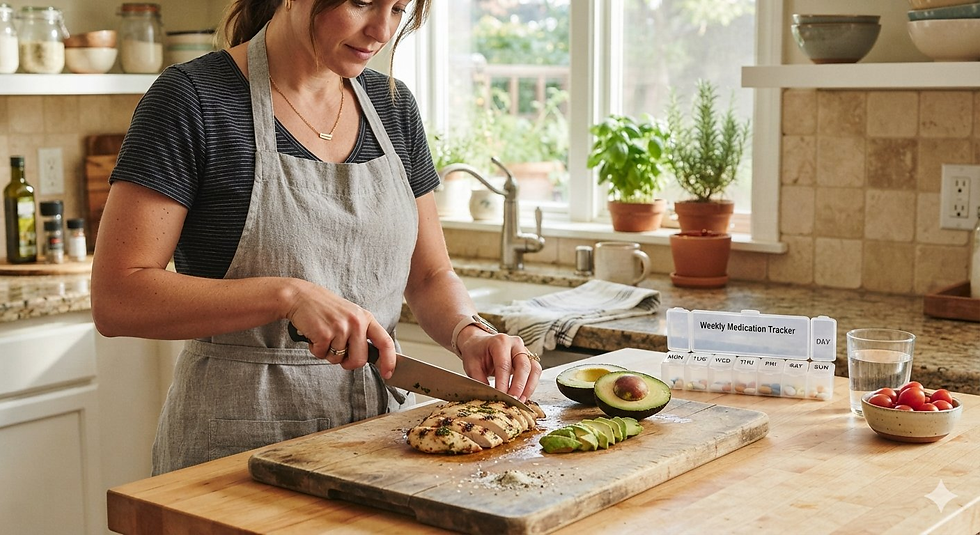
Practical steps for protecting your muscles and fixing your diet while taking weight-loss medicines.

Millions of people take GLP-1 shots, but a simple injection will not teach you how to eat or keep muscle. Without a good daily plan, you risk losing strength. This article provides the facts to help you protect your body when using these medications.
Takeaways
Injections quiet appetite but do not teach nutrition.
Eating enough protein helps protect lean muscle.
Strength training stops serious muscle loss.
Drinking water helps prevent common stomach problems.
Good daily habits keep weight off long term.
Hello, I'm Dr. Myriam Delgado. At Biolife Health Center, I often encounter patients seeking guidance on weekly weight loss injections. In 2026, almost everyone knows someone taking a GLP-1 medication like semaglutide or tirzepatide.
Millions of people have started these shots. But after the initial excitement wears off, my patients quickly discover a hard truth: taking a shot is simple, but changing your daily habits is not.
My goal is to look closely at this topic, understand the proposed mechanisms, review clinical findings, and blend traditional use with scientific scrutiny so patients can make informed decisions. We need to look past the injection itself. We need to talk about food, lifting weights, drinking water, and handling your mood. Those daily actions decide how well you feel while losing weight.
The Theory: How Are GLP-1 Daily Habits Supposed to Work?
To understand why daily habits matter so much, you have to look at how these medications change your digestive tract. GLP-1 stands for glucagon-like peptide-1. Your intestines make this hormone naturally when you eat food. The drug copies that hormone, but it stays in your blood for a full week instead of a few minutes.
The medicine slows down your stomach from emptying food into your small intestine. At the same time, it signals the appetite center in your brain that you are full. The constant food noise in your head quiets down. You eat smaller portions. The pounds start dropping.
Here is the catch. Your body does not know you are using a modern medication. When you eat very few calories, your body thinks food is scarce. If you just sit on the couch and eat crackers, your body will burn both fat and muscle for energy.
Muscle tissue is what keeps your metabolic rate healthy and protects your joints. The theory behind a solid daily support plan is straightforward. By prioritizing high-protein meals, lifting weights, and drinking plenty of water, you tell your body to keep its muscle and burn only the stored fat.
Exploring the Uses: Anecdote vs. Science
Let's look at the four main areas where daily habits make or break your experience on these medications.
High-Protein Diets for Muscle Protection
The Claim: Since GLP-1 shots reduce your hunger so well, you can just eat whatever small snacks you want and let the medication do all the work.
The Science: Clinical data proves that rapid weight loss without enough protein leads to severe muscle loss. Studies show that roughly 25% to 40% of weight lost on these medications can come from lean muscle mass, not fat. When you lose muscle, your resting metabolic rate drops. You feel weaker, and you are far more likely to regain weight if you ever stop the injections.
Doctors and dietitians recommend aiming for 80 to 120 grams of protein every day from sources like eggs, chicken, Greek yogurt, or clean protein shakes. Eating protein first at every meal protects your physical strength while the fat comes off.
Resistance Training and Daily Movement
The Claim: Cardio workouts and step counts are all you need to lose weight while on GLP-1 medications. Lifting weights is only for bodybuilders.
The Science: Medical research from sports medicine and endocrinology shows the exact opposite. While walking is great for your heart, cardio alone will not stop muscle loss when you are in a deep calorie deficit. Resistance training sends a mechanical signal to your muscles telling them to stay put. Clinical studies show that combining weekly GLP-1 shots with two or three simple weightlifting sessions per week helps patients preserve lean tissue and improve insulin sensitivity far better than medicine alone.
You do not have to lift heavy barbells. Using resistance bands, dumbbells, or simple bodyweight squats is plenty to keep your body strong.
Managing Digestive Side Effects with Hydration and Fiber
The Claim: Nausea, constipation, and acid reflux are unavoidable side effects of GLP-1 shots that you just have to suffer through until your body gets used to the dose.
The Science: While digestive upset is common, it is usually manageable with simple dietary changes. Because the drug slows down digestion, heavy greasy foods sit in your stomach for hours, triggering nausea and reflux. Furthermore, the medicine often blunts your thirst signals, leading to mild dehydration that causes severe constipation.
Medical experts recommend drinking water steadily throughout the day and eating 25 to 30 grams of fiber. Smaller, more frequent meals also give your stomach time to process food without making you feel sick.
Handling Mental Health and the Loss of Food Noise
The Claim: Silencing food cravings with GLP-1 injections automatically fixes your relationship with food and eliminates emotional eating.
The Science: The medicine definitely quiets the chemical reward system in the brain, which many patients call a huge relief. But it does not address the emotional reasons why people eat. For decades, many people used food to handle stress, boredom, or sadness. When that coping mechanism disappears overnight, some patients feel anxious, irritable, or disconnected during social gatherings centered around eating.
Research on long-term weight maintenance shows that working with a behavioral counselor or support group helps you build new, healthy coping habits that last long after the initial novelty of the shot wears off.
Summary: Balancing Belief and Evidence
Weekly GLP-1 injections have changed how we treat obesity and metabolic disease. But the shot is only one tool in the toolbox. The scientific evidence is very clear: you cannot rely on the medication alone if you want to protect your muscle, energy, and long-term health.
If you are taking these medications, make sure your daily routine includes plenty of protein, regular strength training, and consistent hydration. Natural does not always mean harmless, and medication does not replace healthy living. Consult your physician before starting new exercise routines or supplement plans. Evidence-based moderation is the best approach.
That's how I see it.
FAQs
How much protein should I eat while taking a GLP-1?
Most adults need between 80 and 120 grams of protein daily to protect their lean muscle.
Why is strength training required on these medications?
Lifting weights signals your body to keep its muscle and burn stored body fat for energy.
Why do GLP-1 shots cause nausea?
The medication delays your stomach from emptying food, so large or greasy meals cause nausea.
How much water should I drink on a GLP-1?
Aim for 64 to 80 ounces of water daily because the medicine blunts your natural thirst signals.
Will I regain weight if I stop the shots?
Yes, clinical studies show most people regain weight unless they build solid nutrition and movement habits while on the drug.


